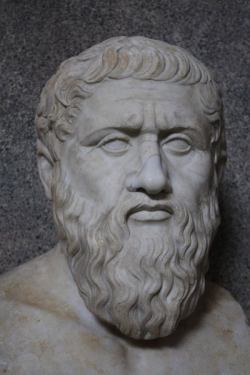
 Believed to have been sculpted during Plato’s lifetime.
A portrait of cold, distant superiority.
It is easy to form a misleading impression of Plato. An American’s first encounter with Plato usually occurs in a freshman philosophy class; the assigned reading is almost invariably “The Republic,” which is presented as primarily a study of politics, a utopian tract describing the “perfect society” by direct analogy with works by social and ideological thinkers of the 18th and 19th centuries. Plato’s take on it is supposed to be more radical and shocking, since he dares to criticize democracy, but then, clearly the most compelling way to prove the superiority of contemporary 21st-century society is by comparing it to Athens in 400 BC. Continue reading
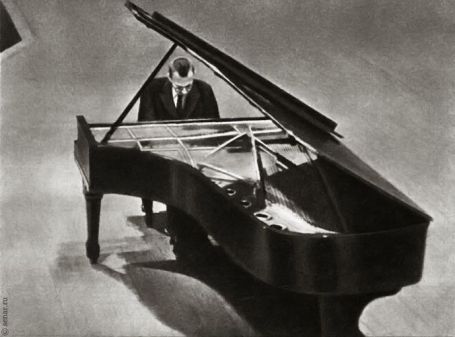 At a concert during the late 1930s.
 For more photographs, see also
 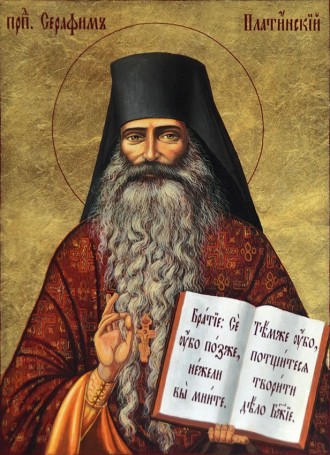 “Brothers: it is later than you think. Hasten, therefore, to do the work of God.”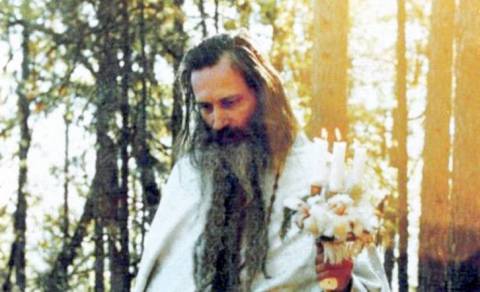
 “Nevertheless man being in honour abideth not: he is like the beasts that perish.”

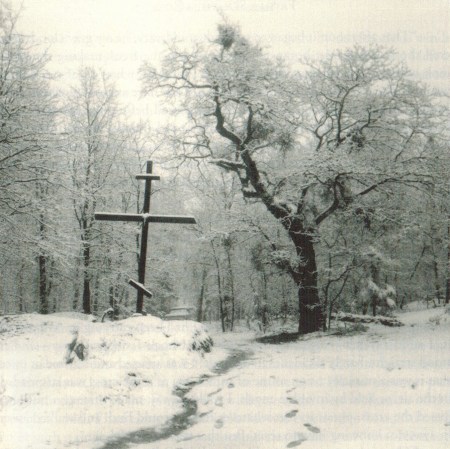 Platina, CA. Winter 1969-1970.
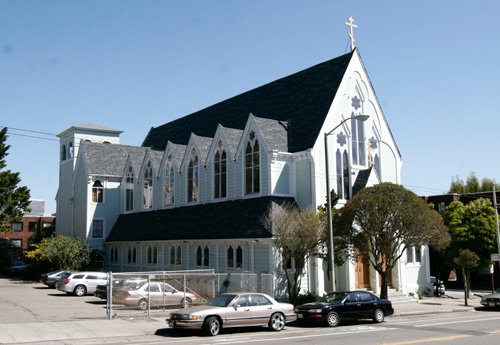 The old Russian Orthodox cathedral in San Francisco.
 Fallen Leaves